








Agricultural Conservation: Is Measurement the Missing Link to Increased Investment and Adoption?
Recent decades have seen a marked increase in societal and agricultural interest in the use of agricultural conservation practices (farmdoc daily, December 2, 2024). However, interest has not led to extensive adoption of conservation practices across Midwest row crop agriculture (farmdoc daily, February 22, 2024; April 24, 2025; November 26, 2025).
In contrast, over the last three decades, there has been substantial change in agricultural production practices, often driven by advances in information and communication technology (ICT). As a result, decision processes for many Midwestern farmers are markedly different than those employed just two or three decades ago (Erickson and De-Boer 2025). The widespread use of these technologies came to be commonly known as precision agriculture. However, a more operational, but less catchy, descriptor would be “measurement-driven” agriculture.
Currently, ICT-enhanced methods and practices are being developed and tested that have the potential to substantially impact adoption of conservation practices. Could these and their associated advances in measurement foster similar levels of change in the adoption of conservation practices? If so, how?
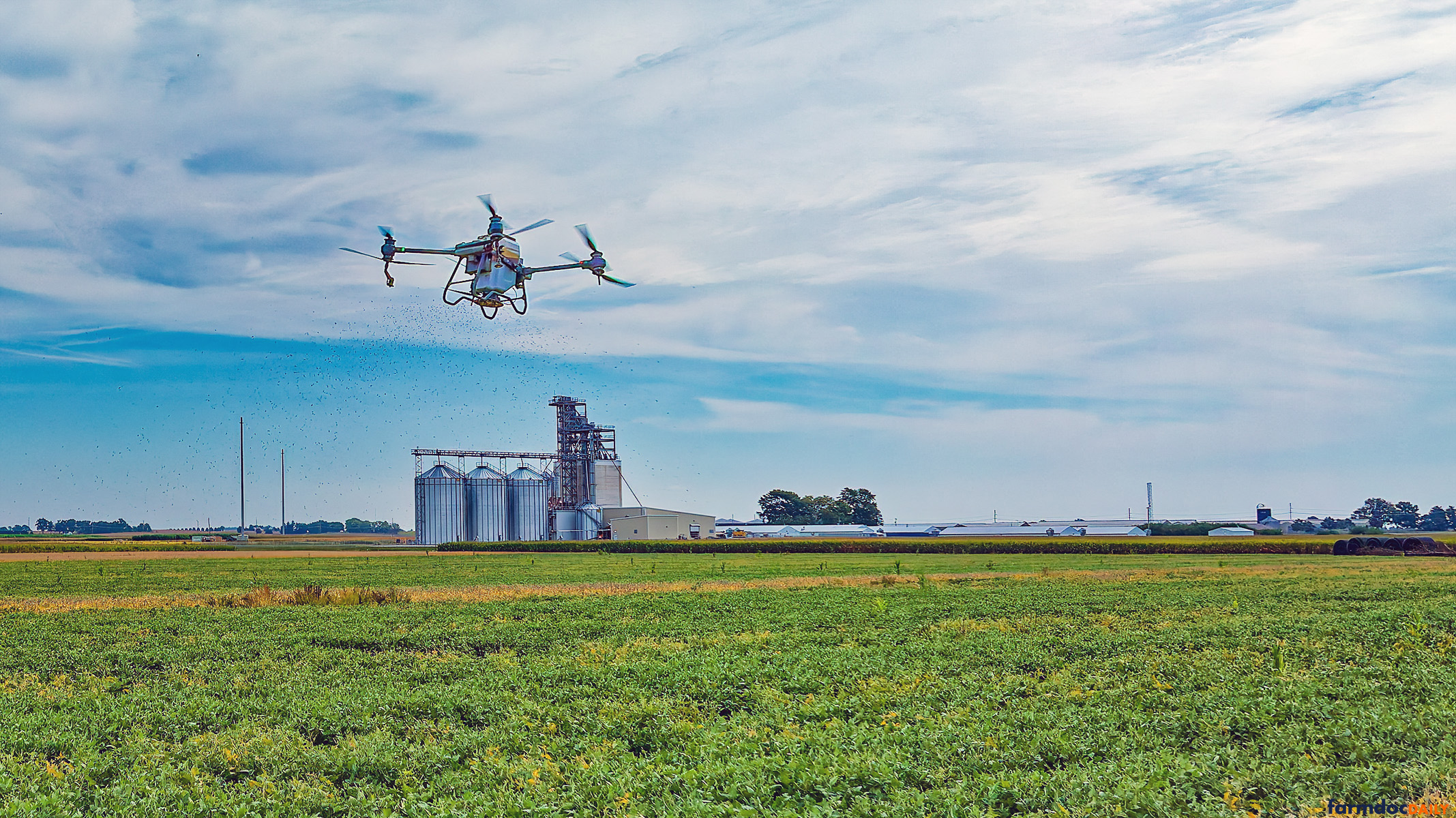
This article provides findings from an exploratory study focused on identifying mechanisms by which use of these emerging technologies could contribute to similar outcomes. The recent study employed scenario-based survey methods and was conducted with a small sample of practitioners experienced and actively engaged in issues associated with conservation and agriculture.
The overriding insight offered by these experienced practitioners focused on investment. There was agreement that the use of emerging technologies could attract greater investment from private and public sources in support of conservation objectives. Three mechanisms were cited as drivers leading to an improved investment climate:
- Enhanced accountability through remote sensing
- Veracity of freshwater quality measurement
- Targeting conservation actions to priority expected outcomes
Interestingly, the focus of these mechanisms is not so much on the farmer’s decision in isolation. Instead, the emphasis is on the potential for technology-supported investment to alter the surrounding economic environment.
The remainder of this article first describes the survey process and then summarizes its findings.
A Scenario-Based Interview Process
The purpose of the key informant interviews was to document unfiltered perceptions of stakeholders regarding the potential for key technologies to foster adoption of conservation practices and improve water quality. Therefore, a scenario-based format was employed. Rather than being limited to a series of predetermined questions, participants responded to general prompts, allowing their responses to guide the discussions that followed. Conducted in May 2026, each of the nine interviews was approximately one hour long.
Participants in the interviews had deep knowledge and considerable experience relating to issues relating to agricultural conservation. Their professional responsibilities include state and national environmental regulation, private sector agricultural initiatives, academic research, and conservation consulting.
To provide consistent context, participants were provided graphical descriptions of two types of data-driven watershed products at least one day prior to the interview. The first type is visualizations of river water quality measurements. Information available from the Great Lakes to Gulf Virtual Observatory (GLTG) was provided as an example of a long-term, integrated system. The second type, remote sensing technologies, document the extent of conservation practices on the agricultural landscape. Information from the Agroecosystem Sustainability Center (ASC) served to illustrate this capability.
Each respondent was asked to consider three scenarios, where the primary outcome of interest was potential effects on the quality of river water systems. The scenario first specified that adoption of each technology (measurement or remote sensing) proceeded independently. Then participants responded to a setting where the two capabilities are employed collaboratively.
Key Insights from the Interviews [1]
As noted, three mechanisms which could lead to increased use of conservation practices surfaced within the interviews. They are further described in the following sections:
Enhanced accountability and remote sensing: Midwest commodity crop production is conducted over massive geographic scale across the several months of the production season. Historically, this made it difficult and costly to physically audit agricultural production practices as they occur. For example, the transect survey method has been a common approach to assess the use of alternative tillage practices. It relies upon field-level observations of crop residues and soil disturbance, typically from the edge of the field. Results tend to lack precision and are relatively costly to verify.
Respondents noted that remote sensing can verify conservation practices such as cover crops, tillage reduction, riparian buffers, and CRP enrollment at lower cost than manual surveys. They expect that this will lead to more accurate, lower cost data, thereby supporting improved accountability. Further, economies of scale associated with remote sensing should have a reinforcing effect, attracting investment from an array of sources.
Respondents observed that some entities desire to support conservation practices for reasons other than water quality (e.g., regenerative agriculture practices). Lack of effective low-cost accountability methods was noted as a current inhibiting factor for those interests because of the cost of monitoring and reluctance to intrude on private land.
The lack of effective monitoring also raises the potential for accusations of greenwashing, further reducing potential investment. This underscores the notion that accountability is primarily not just a direct buyer/seller issue in Midwest farming. The local elevator operator likely isn’t the source of the need for documented verification. However, the downstream food manufacturer likely needs to know that such verification is available before initiating a program that provides incentives to producers. By reducing costs of verification, the routine use of emerging technology increases the potential viability of such initiatives.
The existence of technical capabilities, of course, doesn’t guarantee use. Issues such as data privacy and security will need to be addressed. Involvement of the agricultural community will be important in determining the manner and extent of eventual use.
Veracity of results and river water quality[2]: The effects of agricultural production extend beyond the farm field. Further these impacts are materially impacted by weather events that vary significantly within and between years. An additional complication is that some nutrients become stored in riverbanks (legacy pollutants), only to be released intermittently in following years. Also, non-agricultural sources of pollutants add to the difficulty of attributing water quality outcomes to changes in agricultural production practices. Information on both current and historic quality trends was noted as essential to the usefulness of improved measurement methods. The lack of standardized, research-based information systems was identified as limiting potential progress, weakening the impetus for future action.
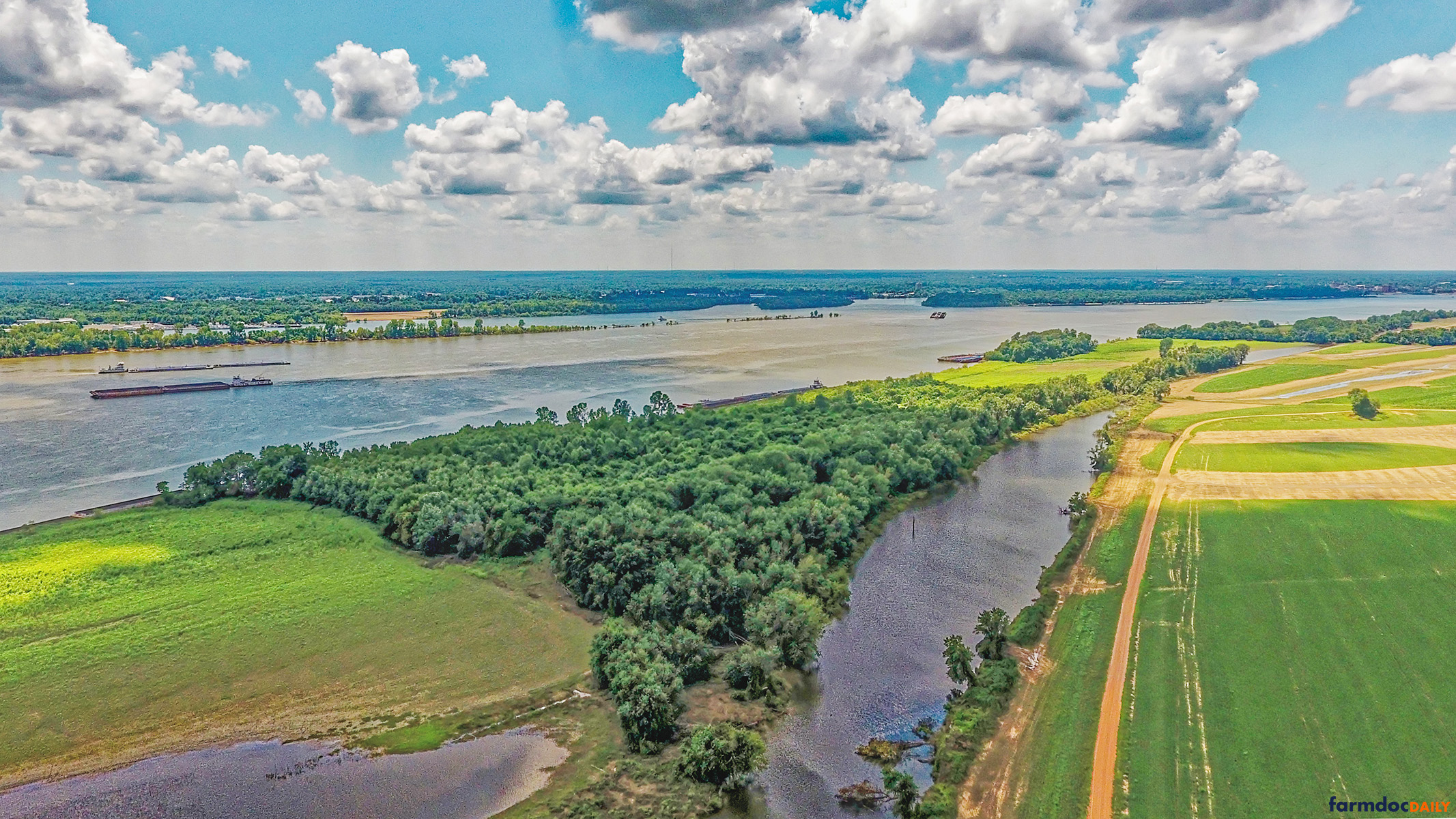
The availability of both historical and dynamically updated future baselines was cited as critically important:
- To assess the effectiveness of future actions in specific settings and
- To document the “cost of inaction” — the on-going, economic penalty in affected localities without change.
Respondents identified accessibility as a key desired characteristic of the needed resource. It is worth noting that the perception of “adequate accessibility” has dramatically changed recently. Previously, a centralized, interactive website or dashboard to bring together water quality related data was the common goal. However, the extensive nature of freshwater systems requires that the useful database will include a massive number of observations across geography, time, and parameters of interest. Previously, the ability to effectively query such a resource was the responsibility of the user. Today, in the age of AI, users expect to “ask a question” and receive an effective response. Having detailed knowledge to craft a precise query should no longer be required of the user.
Respondents emphasized that conservation benefits are often cumulative, therefore technology should help track change over multiple years. This feature is important to policy creation and implementation which often requires baseline data describing the costs and benefits of alternative policy choices. The ability to better evaluate such choices would contribute to formation of more realistic goals to improve how water quality strategies are designed and evaluated.
Priority targeting of conservation actions tied to expected outcomes:
Respondents focused on the theme that both investors and farmers are more likely to act when recommendations are specific, practical, and based on trustworthy evidence. Participants noted frustration with policies sometimes appearing to foster “random acts of conservation”. Technologies which provide improved measurement could support adoption by making conservation efforts more precise, relevant, and actionable.
Key specific factors noted by the respondents include:
- More localized data can identify specific areas where use of conservation practices could have effect, allowing conservation dollars and rules to be targeted to areas of highest payoff.
-
- Localized analysis, such as county- or small-watershed scale, was seen as more useful than broad statewide averages, better reflecting differences in key factors such as weather, soils, drainage, and management.
- Improved monitoring and paired watershed studies can help verify where practices, such as cover crops, are effective.
- Adaptive planning, incorporating targets which evolve with results, could substitute for fixed targets that may become less appropriate.
Improved data linking agricultural practices and water quality could foster nutrient trading markets, if agricultural conservation practices were demonstrated to be more effective in reducing nutrient pollution. Trading arrangements with water treatment systems were mentioned as a possibility.
Acknowledgements
The author wishes to thank the survey participants for their willingness to share their expertise and time. Financial support from the National Fish and Wildlife Foundation and the National Great Rivers Research and Education Center also is acknowledged.
Notes
[1] The summary insights here are interviewer interpretations, after a process that combined review of personal interview notes, transcriptions, and AI-generated summaries. Direct quotations are not included; the text paraphrases the perceptions expressed by the participants.
[2] Dictionaries often use terms such as accuracy and truthfulness when defining veracity. Here, veracity is used to imply data which is both accurate and meaningful in the support of decision making.
References
ASC. 2026. “Agricultural Sustainability Center.” University of Illinois Urbana-Champaign. https://asc.illinois.edu
Cilento, S., J. Coppess and M. Skidmore. "Missing the System for the Adoption: Lessons on the Cover Crop Learning Curve, Part 1." farmdoc daily (15):77, Department of Agricultural and Consumer Economics, University of Illinois at Urbana-Champaign, April 24, 2025.
Erickson, B. and J. Lowenberg-Deboer. “Precision Agriculture Dealership Survey.” Departments of Agronomy and Agricultural Economics, Purdue University, West Lafayette. Indiana. December 2025.
GLTG. 2026. “Great Lakes to Gulf.” https://greatlakestogulf.org/
Skidmore, M., C. Wardropper and H. Craska. "Farmer Demonstration Networks as a Catalyst for Conservation Adoption." farmdoc daily (15):219, Department of Agricultural and Consumer Economics, University of Illinois at Urbana-Champaign, November 26, 2025.
Sonka, S. "The Evolving Nature of Precision Ag: The Confluence of Societal Interests and Precision Agriculture." farmdoc daily (14):217, Department of Agricultural and Consumer Economics, University of Illinois at Urbana-Champaign, December 2, 2024.
Zulauf, C., G. Schnitkey, N. Paulson and J. Coppess. "Cover Crops and Covered Cropland, 2022 US Census of Agriculture." farmdoc daily (14):37, Department of Agricultural and Consumer Economics, University of Illinois at Urbana-Champaign, February 22, 2024.
Disclaimer: We request all readers, electronic media and others follow our citation guidelines when re-posting articles from farmdoc daily. Guidelines are available here. The farmdoc daily website falls under University of Illinois copyright and intellectual property rights. For a detailed statement, please see the University of Illinois Copyright Information and Policies here.